Understanding Daily Eating Routines

An educational resource exploring the principles of consistent meal patterns and balanced nutrition habits

Learn more

Introduction to Daily Eating Patterns

Daily eating routines represent the structured approach to organizing meals throughout the day. This educational resource explores how individuals establish consistent patterns for breakfast, lunch, dinner, and snacks.

The concept of routine meal timing involves understanding the natural rhythm of food consumption and how it aligns with daily activities. This information is presented for educational purposes to help readers understand common approaches to meal organization.

Research in nutrition science examines various patterns of meal distribution and their relationship to overall dietary balance. This resource presents these concepts in an informational context without providing personal recommendations.
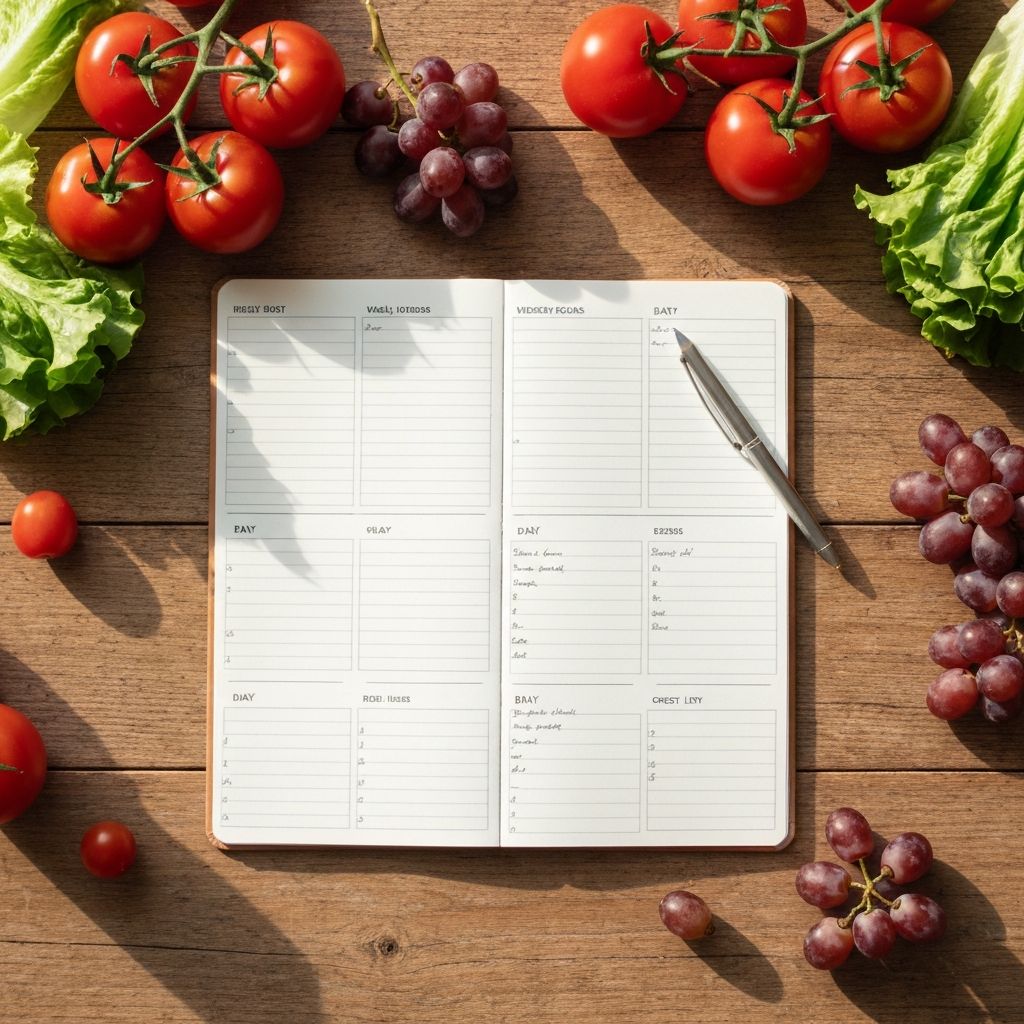

Daily meal planning concept

Key Principles of Meal Structure

The organization of daily meals follows several fundamental principles studied in nutritional science. These include the concept of balanced macronutrient distribution, the timing of food intake, and the variety of food groups consumed throughout the day.

Educational literature describes how meals typically incorporate different food categories such as proteins, carbohydrates, fats, vitamins, and minerals. Understanding these categories helps in recognizing the components that make up a structured eating pattern.

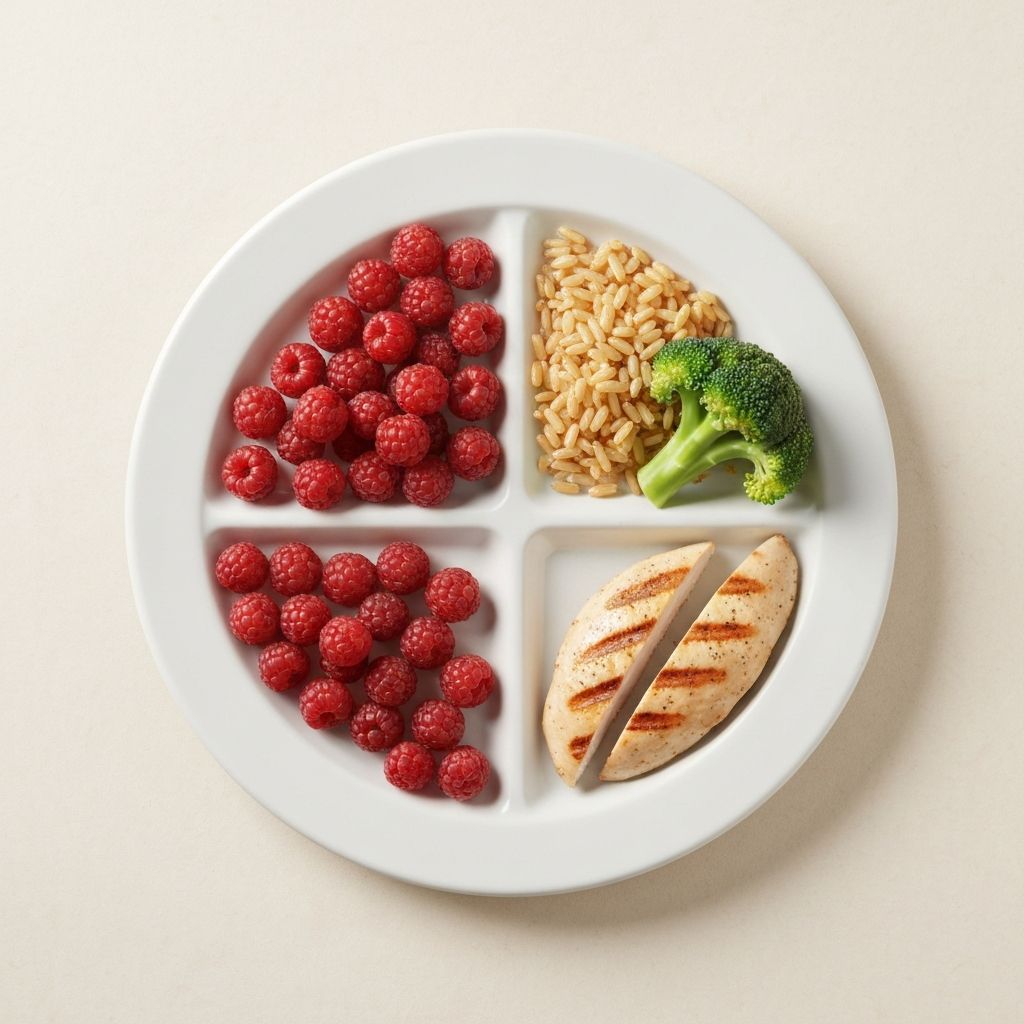
The principle of portion awareness relates to understanding relative amounts of different food types on a plate. This concept is explored in nutrition education as a way to visualize meal composition.

Meal frequency throughout the day varies among individuals and cultures. Some patterns include three main meals, while others incorporate additional snacks. These variations are documented in dietary research for educational understanding.

Balanced meal structure

Examples of Daily Meal Sequences

To illustrate daily eating patterns, we can examine typical meal sequences observed in various dietary studies. These examples serve purely educational purposes to demonstrate how meals might be organized throughout a day.

Morning meals often include foods that provide energy for the start of the day. Common examples in nutritional studies include whole grain cereals, fruits, dairy products, or egg-based preparations.

Midday meals typically represent a larger eating occasion that may include combinations of vegetables, proteins, and grain-based foods. This meal often occurs during a break in daily activities.

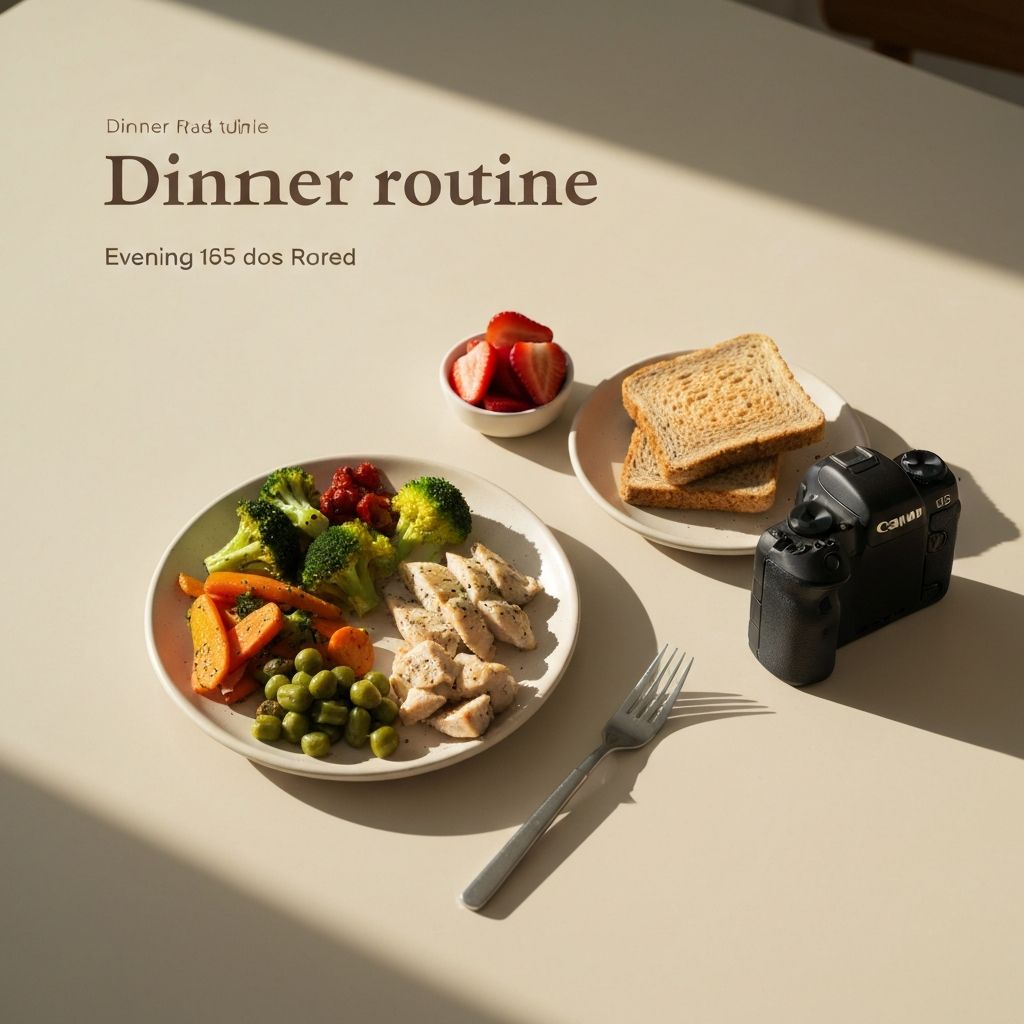
Evening meals usually conclude the main eating periods of the day and may include similar food group combinations to midday meals, though portions and compositions can vary.

Snacks represent smaller eating occasions between main meals. These might include fruits, nuts, or other foods consumed in smaller quantities.

These descriptions are provided to illustrate concepts rather than to suggest specific eating patterns. Individual routines vary widely based on numerous personal factors.

Daily meal examples

Visual Guides for Understanding Meal Balance

Nutrition education often employs visual representations to help explain meal composition concepts. These guides illustrate proportions of different food groups and how they might appear on a plate.

The plate method is one educational tool that divides a meal into sections representing vegetables, proteins, and grains. This visual approach helps in understanding the relative amounts of different food categories.

Color variety on a plate often indicates diversity of nutrients, as different colored vegetables and fruits contain different vitamins and minerals. This principle is taught in basic nutrition education.

Visual guides serve as educational illustrations rather than prescriptive templates. They demonstrate concepts that individuals can understand and consider in their own context.

Meal balance visualization

Educational Articles

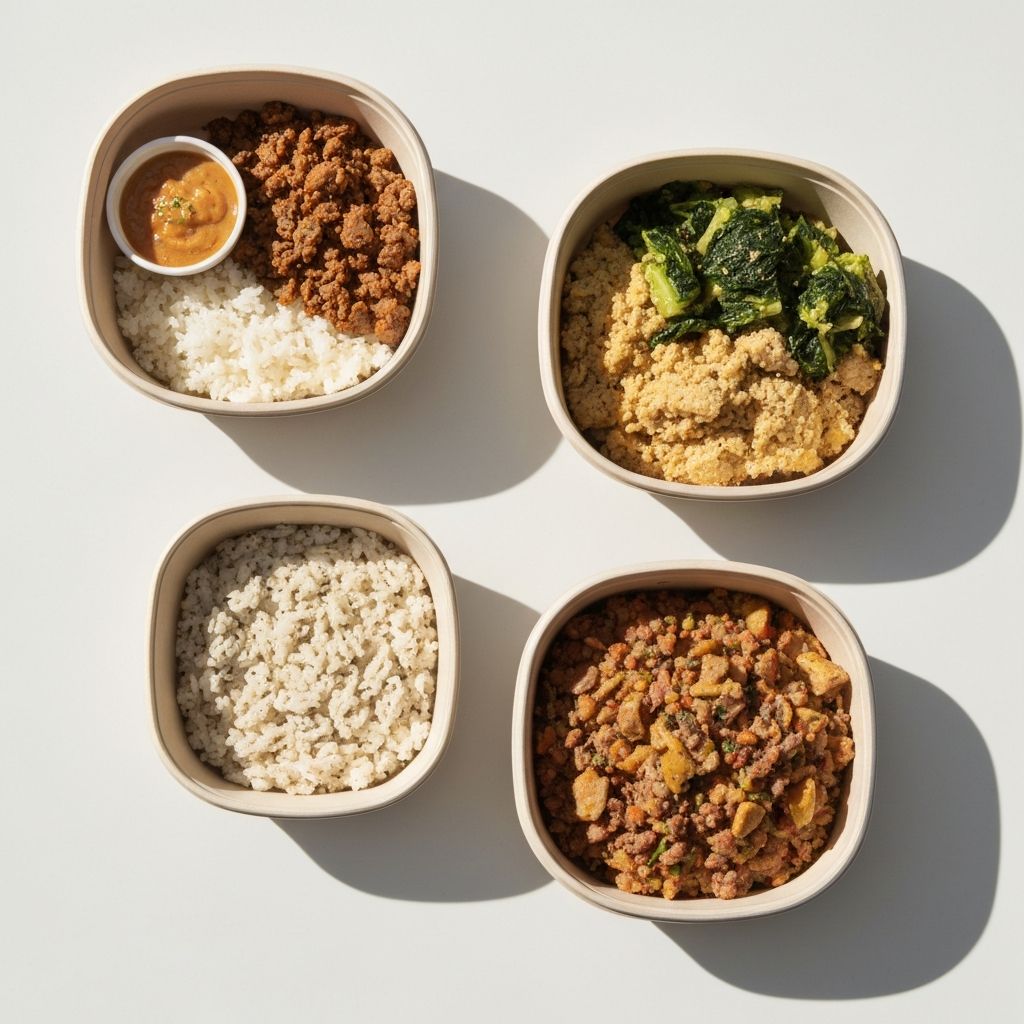
Morning eating patterns

Morning Eating Patterns

An exploration of how morning meals are structured in various dietary patterns and what nutritional science says about breakfast composition.

Read in detail
Midday meal organization

Midday Meal Organization

Understanding the role of lunch in daily eating routines and how midday meals contribute to overall dietary patterns.

Read in detail
Evening meals and snacks

Evening Meals and Snacks

Examining dinner patterns and the role of snacks in completing daily nutritional intake throughout the evening hours.

Read in detail

Frequently Asked Questions

What is the purpose of this educational resource?

This resource provides information about daily eating routines and meal patterns from an educational perspective. It explains concepts related to meal organization, food group distribution, and dietary patterns without offering personal advice or recommendations.

How should I use this information?

The information presented here is for educational understanding only. It describes general concepts in nutrition science and meal organization. For any personal dietary decisions, individuals should consult with qualified healthcare professionals who can provide guidance based on individual circumstances.

Does this resource provide meal plans or diet advice?

No. This is strictly an educational resource that explains concepts and principles. It does not provide personalized meal plans, dietary recommendations, or advice on food choices. All content is informational in nature.

Who should I consult for personal nutrition guidance?

For personalized nutrition advice, individuals should consult registered dietitians, nutritionists, or healthcare providers who can assess individual needs and provide appropriate guidance.

Are the examples provided recommendations?

No. All examples are provided purely for illustrative and educational purposes to help readers understand concepts. They are not recommendations or suggestions for personal implementation.

Educational Context and Limitations

This resource presents information about daily eating routines and meal organization concepts for educational purposes only. The content describes general principles found in nutritional science literature and does not constitute personal advice, recommendations, or guidance.

Individual dietary needs vary significantly based on numerous factors including health status, lifestyle, preferences, and circumstances. The information provided here cannot and does not replace consultation with qualified healthcare professionals.

Readers are encouraged to seek personalized guidance from registered dietitians, nutritionists, or healthcare providers for any decisions related to their dietary patterns or nutritional choices.

Continue Learning

Explore more educational content about daily eating patterns and nutritional concepts through our informational articles.

Explore further
Educational content only. No medical services. No promises of outcomes.